Easy Scandinavian Heart Gift Pouch Free Sewing Pattern
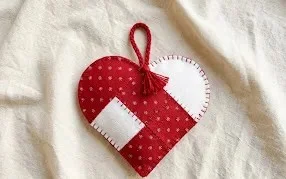
Soft cotton fabric, a neat heart shape, and a small stitched opening give this Scandinavian-style gift pouch its simple handmade charm. It is a sweet way to wrap a small present, tuck in a note, or keep little keepsakes together, and it looks lovely hanging from a ribbon or resting on a shelf. Beginners can enjoy the clear, manageable sewing, while experienced makers can finish one quickly and personalize a batch for friends. You will learn how to cut and sew the heart-shaped pieces, turn the pouch neatly, and finish the opening so a small gift fits inside. The project uses fabric scraps and a few basic supplies, making it satisfying to complete in an afternoon. Choose quiet red-and-white prints for a traditional Nordic feel, or use a favorite solid cotton for a more modern look.
Why You’ll Love This Pattern
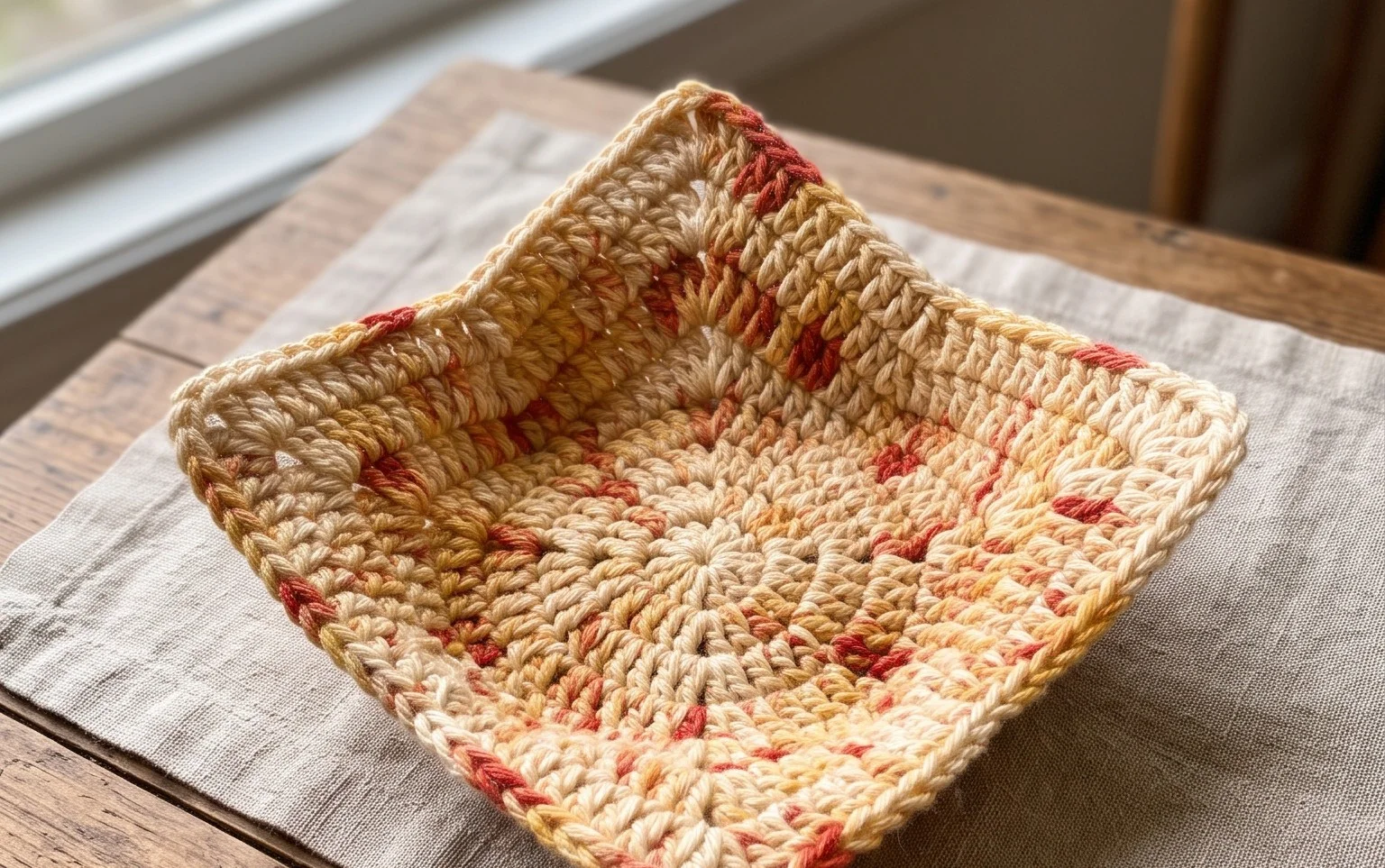
A cotton crochet washcloth is useful at the sink, quick to finish, and easy to wash between uses. This beginner-friendly square uses single crochet worked in alternating back loops, creating subtle ridges that give the fabric a little more texture than a plain stitch pattern.
The pattern takes one ball or less of worsted-weight cotton, so it works well for using up a partial skein. Its simple shape also makes stitch practice easy: each row has the same number of stitches, and you can check your width as you go. Make a set in coordinating colors for a practical housewarming gift.
The rows were easy to keep track of, and the ridged cotton feels good in my hand. I finished mine in an evening.
— Nora, home crocheter
Pattern Overview & Skill Level
- Skill Level: Beginner. You should know how to chain and single crochet.
- Approximate Time: About 2–3 hours, depending on your pace and tension.
- Construction: A flat square worked back and forth in rows, with single crochet stitches alternating between both loops and the back loop only.
- Finished Dimensions & Sizing: About 6 × 6 inches (15 × 15 cm) after washing and drying flat. Small differences in gauge will change the final measurements.
Materials & Supplies Needed
- Yarn: About 45–55 yards (41–50 m) of worsted-weight (#4) 100% cotton yarn in one color. Cotton absorbs water and tolerates regular laundering.
- Hook: 5.0 mm / H-8 crochet hook. If your stitches are very tight, try 5.5 mm / I-9; the finished cloth may be slightly larger and more open.
- Notions: Tapestry needle for the starting and ending tails, scissors, and a ruler or measuring tape. A removable stitch marker can help mark the first stitch of a row.
- Substitutions: Choose another worsted-weight cotton, such as a cotton-linen blend, and check the yarn label for care instructions. Acrylic is less absorbent and may feel different when wet. A thicker yarn or larger hook makes a larger, looser cloth; a thinner yarn or smaller hook makes a smaller, denser one.
Stitch Guide & Abbreviations (US Terms)
- ch = chain.
- sc = single crochet.
- BLO = back loop only. Insert the hook under the back loop alone, rather than under both top loops. This forms a raised ridge on the fabric.
- st = stitch.
The turning chain does not count as a stitch. At the end of each row, count the stitches themselves, not the turning chain.
Step-by-Step Pattern Instructions
Washcloth
With worsted-weight cotton and a 5.0 mm / H-8 hook, make a starting chain of 25. The 24 stitches worked across it give a cloth approximately 6 inches wide at the stated gauge. Keep the chain relaxed so the first row does not pull in.
- Row 1: Sc in the second ch from the hook and in each ch across. Turn. (24 sts)
- Row 2: Ch 1, sc in each st across, working under both loops. Turn. (24 sts)
- Row 3: Ch 1, sc in BLO of each st across. Turn. (24 sts)
- Rows 4–30: Repeat Rows 2 and 3, alternating them in order. Work Row 4 in both loops, Row 5 in BLO, and continue the sequence through Row 30. Turn after each row. (24 sts per row)
After Row 30, fasten off, leaving a tail about 6 inches (15 cm) long. Pull the tail through the last loop to secure it. Use a tapestry needle to weave in both yarn ends on the wrong side, changing direction once or twice so they are less likely to work loose during washing. Avoid pulling the tails so tightly that the edge puckers.
Lay the cloth flat and check that the edges are even. If the fabric has curled, dampen it and smooth it into a square, keeping the ridges intact. Let it dry completely before using or folding it.
Care & Washing Instructions
- For cotton yarn, machine-wash with similar colors in warm water, up to about 40°C (104°F), unless the yarn label gives different instructions.
- Dry flat or tumble-dry on low if the yarn label allows; high heat can make cotton feel rough or shrink.
- Reshape the damp cloth into a square and smooth the edges flat; blocking is optional for a practical washcloth.
Pro Tips & Common Mistakes to Avoid
- Keep your tension steady, especially in the foundation chain. If it is much tighter than the rows, the bottom edge may draw inward. A slightly larger hook just for the starting chain can help.
- Count 24 stitches at the end of every row. Place a marker in the first stitch if you tend to miss the last stitch near the turning chain.
- When weaving in ends, pass the needle through the backs of several stitches, then change direction. A short tail woven in only one direction can loosen with repeated washing.
- To change the size, add or remove starting chains while keeping an even number of stitches, then work more or fewer rows to match the width. A larger cloth uses more yarn; a smaller one uses less. Keep the same yarn and hook if you want to preserve the original fabric density.
Frequently Asked Questions
Can I use a different yarn fiber?
Yes. Cotton is a good choice because it absorbs water and can be washed often. A cotton-linen blend is also suitable, though it may feel firmer. Acrylic is less absorbent, so the cloth may be better for light cleaning than drying dishes. Follow the substitute yarn’s care label.
How can I make the washcloth larger or smaller?
Change the starting chain to adjust the width and the number of rows to adjust the length. Keep the stitch count consistent across every row, and remember that a larger cloth needs more yarn. A different hook or yarn weight also changes the texture and finished dimensions.
Is this pattern suitable for a first crochet project?
Yes, if you can make a chain and single crochet. The main practice points are keeping the first chain relaxed and finding the first and last stitch of each row. A stitch marker at the row’s first stitch can make the edges easier to follow.
Can I sell washcloths made from this pattern?
Check the designer’s terms before selling finished items, and follow any credit or sales conditions they specify. Use your own photos and product description, and do not present someone else’s written pattern as your own.
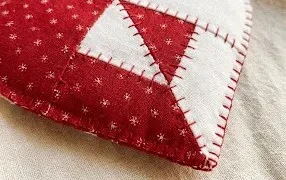
Your finished heart pouch has a soft, handmade shape that makes even a small gift feel thoughtfully wrapped. If you want to change the look, try making a slightly larger version from a different cotton print, or use two coordinating fabrics for the front and back. Take a photo of your pouch beside the gift tucked inside and share it on Pinterest or your favorite social media account. The same pattern works well for holiday favors, small thank-you gifts, or little keepsakes throughout the year. If you enjoyed this project, explore more free patterns on the blog for simple ways to sew with fabric scraps and make useful handmade gifts.