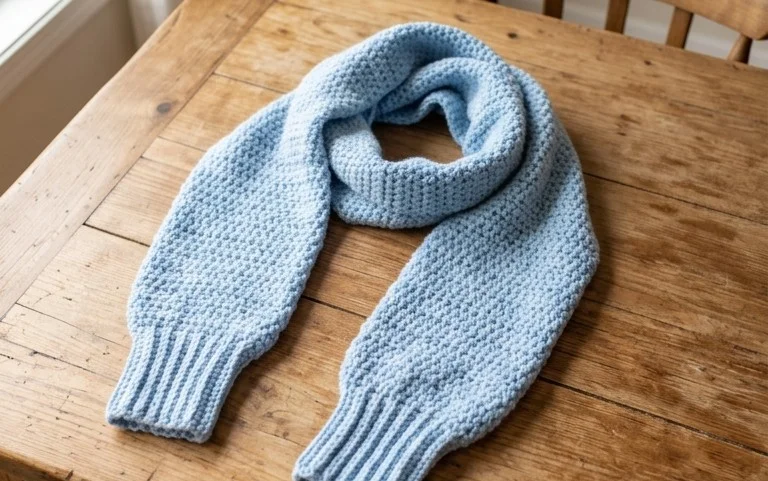
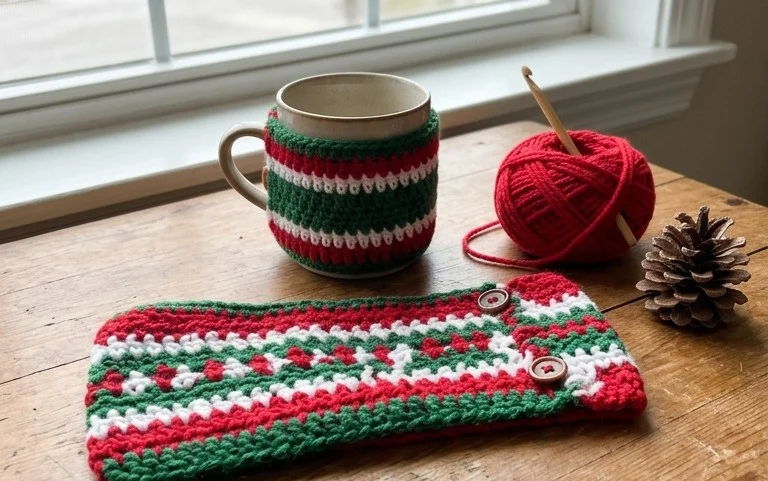
A Handy Kitchen Dishcloth for a Quiet Yarn Evening
Firm cotton stitches give this small dishcloth a gently textured surface that feels sturdy in your hands and softens with washing. Worked as a simple square, it is a useful first project for beginners, and the finished cloth also makes a thoughtful addition to a handmade kitchen gift. Home decor lovers can crochet a set in colors that suit their counters or towels. The pattern uses rows of single crochet, so you can practice keeping your tension even while the shape stays straightforward. You’ll also find guidance on sizing, finishing, washing, and choosing cotton yarn, along with practical ways to adjust the cloth if your gauge differs from the sample. Settle in with a 5 mm hook and a quiet evening, and you’ll have a useful piece ready for everyday dishes.
Why You’ll Love This Pattern
This square cotton dishcloth uses simple single crochet stitches and straight rows, so you can focus on even tension rather than complicated shaping. The finished fabric is sturdy enough for everyday kitchen use, and the small size makes it a practical project for a quiet evening or a first try with cotton yarn.
One skein usually provides enough yarn for several cloths, depending on its yardage and your tension. Make a set in one color for a coordinated kitchen, or use different shades to keep track of which cloth is for dishes and which is for counters.
I made one during a weekend and liked how easy it was to keep the edges straight. The cotton feels firm without being stiff.
— Mia, beginner crocheter
Pattern Overview & Skill Level
- Skill Level: Beginner. You need to chain, single crochet, and turn your work.
- Approximate Time: 2–3 hours, depending on your speed and whether you pause to check your gauge.
- Construction: A flat square worked back and forth in rows, without a border or seaming.
- Finished Dimensions & Sizing: Approximately 8 × 8 in (20 × 20 cm) after washing and drying flat. Dimensions can vary with tension and yarn.
Materials & Supplies Needed
- Yarn: About 90 yd (82 m) of worsted-weight cotton yarn, category #4. A solid or lightly variegated color makes it easier to see each stitch. Cotton is absorbent and holds up well to frequent washing.
- Hook Size: 5.0 mm / H-8 crochet hook. Use the hook that gives you a firm, flexible fabric rather than a loose, holey one.
- Notions: Tapestry needle for weaving in the starting and ending tails, scissors, and a ruler or tape measure for checking gauge.
- Substitutions: A cotton-linen blend is a suitable alternative, though it may feel stiffer and soften with washing. Avoid acrylic for a dishcloth that needs to absorb water. A different yarn weight changes the finished size, so make a small gauge swatch before beginning.
Gauge: 16 single crochet stitches and 18 rows measure about 4 × 4 in (10 × 10 cm). Gauge is useful here because it helps the cloth reach its intended size while keeping the fabric dense enough for kitchen use.
Stitch Guide & Abbreviations (US Terms)
- ch: Chain.
- sc: Single crochet. Insert the hook into the stitch, yarn over and pull up a loop, yarn over again and pull through both loops.
- st / sts: Stitch / stitches.
- rep: Repeat.
- sc across: Work one single crochet into each stitch across the row.
The turning chain does not count as a stitch. At the start of each row, make one chain and work the first single crochet into the first stitch, not into the chain.
Step-by-Step Pattern Instructions
Dishcloth
- Foundation: Ch 31. The foundation chain gives you 30 working stitches, plus one chain for turning. If your chain tends to be tight, use a slightly larger hook just for the chain, then switch back to the 5.0 mm hook. (31 ch)
- Row 1: Sc in the second ch from the hook and in each ch across. Turn. (30 sts)
- Rows 2–30: Ch 1, sc in each st across, then turn. Repeat this row 29 times, for 30 rows total. The turning chain does not count as a stitch. (30 sts each row)
- Finish: After Row 30, fasten off, leaving a tail about 6 in (15 cm) long. Thread the tail onto a tapestry needle and weave it through several stitches on the back of the cloth. Change direction once, then trim the extra yarn close to the fabric without cutting a stitch. Weave in the starting tail the same way.
- Shape: Gently wet and press out excess water in a towel. Lay the cloth flat, smooth the edges, and adjust it to a square. Allow it to dry completely before using.
If the sides look uneven, count the stitches before moving on. Each row should have 30 single crochets. Missing the first stitch at the edge is a common reason the cloth narrows; accidentally crocheting into the turning chain can make it wider.
Care & Washing Instructions
- Wash cotton in cool or warm water, up to 40°C (104°F), with similar colors; check the yarn label before using bleach or a hot wash.
- Dry flat for the neatest shape, or tumble-dry on low if the yarn label allows it.
- While damp, smooth the corners and edges back into shape; pinning is optional if the cloth has curled.
Pro Tips & Common Mistakes to Avoid
- Keep your tension steady: Cotton has less stretch than many acrylic yarns, so pulling each stitch too tightly can make the cloth stiff. Let the hook move freely through the loops.
- Count the edge stitches: Count 30 stitches at the end of every row, especially during the first few rows. A removable stitch marker in the first or last stitch can help you spot the edge.
- Hide tails securely: Weave each yarn end through the backs of several stitches, then change direction. A short tail worked in only one direction can come loose after repeated washing.
- Adjust size thoughtfully: For a wider cloth, add chains to the foundation, then add one single crochet to every chain. For a longer cloth, work more rows. Either change uses more yarn; a larger hook or heavier yarn also makes a larger, potentially looser cloth.
Frequently Asked Questions
Can I use a different kind of yarn?
Yes, but cotton or a cotton blend is best for an absorbent dishcloth. A heavier yarn makes a larger cloth, while a finer yarn makes a smaller one. Check the gauge and expect the texture and drying time to change with the fiber.
How can I make the dishcloth larger or smaller?
For width, change the foundation chain and work one single crochet into each chain after the first. For length, work fewer or more rows. Keep the number of stitches consistent across rows so the sides stay straight, and allow extra yarn for a larger cloth.
Is this pattern suitable for a first crochet project?
Yes. It uses only chains and single crochet stitches, with no increases, decreases, or sewing. The main challenge is keeping 30 stitches in every row, so count at each row end until the edges become familiar.
Can I sell dishcloths made from this pattern?
You can sell your finished handmade items if the designer’s terms allow it. Check the pattern’s stated permissions before selling, and write your own product description and photos rather than presenting someone else’s pattern as your own.
Your finished cotton dishcloth should feel flexible yet firm, with even rows that can handle regular use at the sink. Make another in a contrasting shade, or add a few rows if you prefer a larger cloth; keeping the same cotton yarn and hook will help the set feel consistent. Wash the cloth before its first use, then let it dry flat so the edges keep their square shape. If you enjoyed working this simple single crochet pattern, share a photo of your finished piece on Pinterest or social media. You can also browse the blog for more free crochet patterns, including practical projects to use at home or give to a friend.