Easy Snowman Crochet Patterns for Cozy Winter Gifts
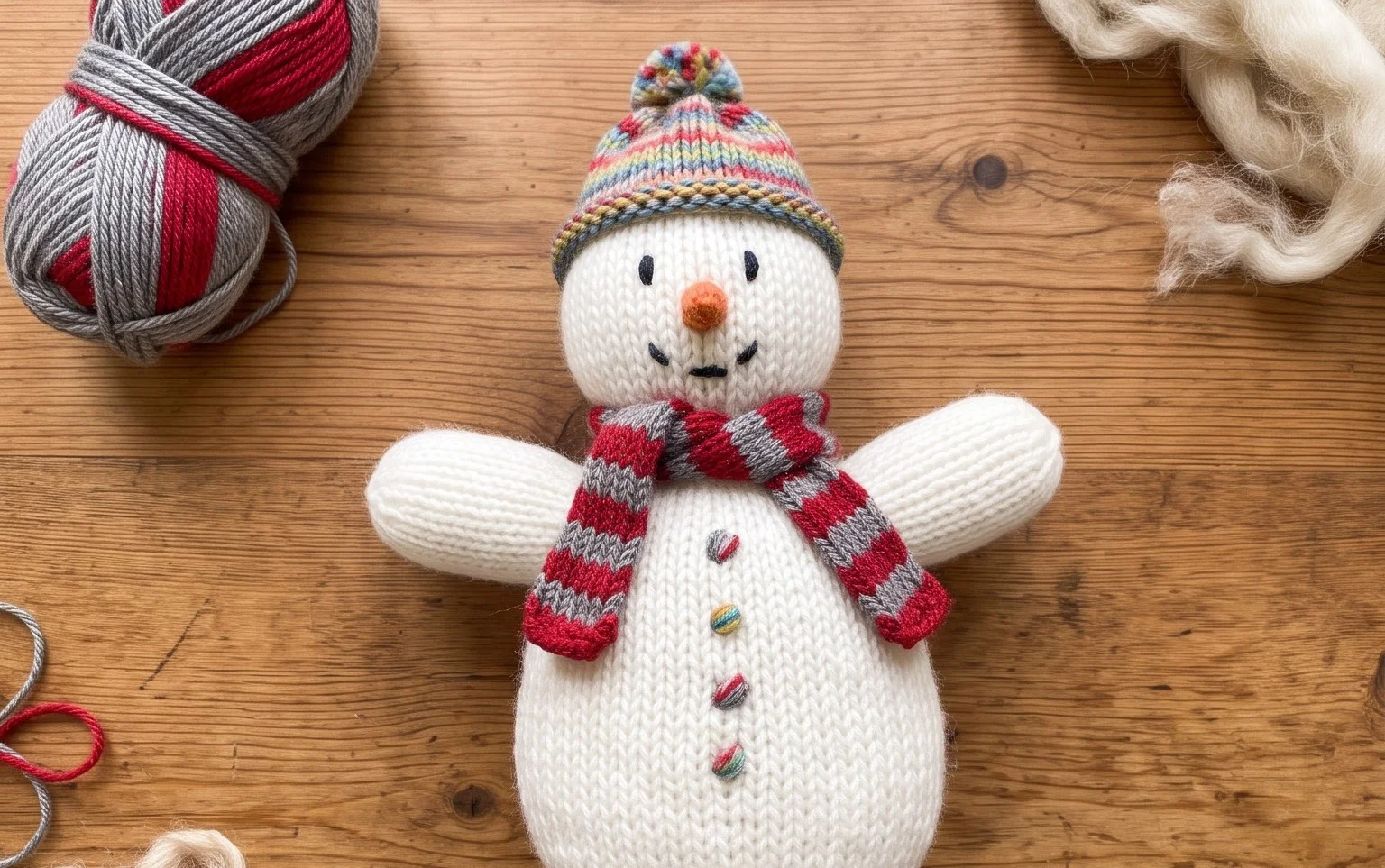
Soft white yarn, a rounded body, and a bright little carrot nose give a handmade snowman its familiar winter charm. These snowman patterns suit beginners who want to practise shaping as well as gift makers putting together a small seasonal surprise. They also make cheerful shelf decorations, mantel companions, or additions to a holiday display, and their soft crochet fabric feels right at home beside knitted scarves and mittens. Working in the round helps create the snowman’s shape, while simple stitches keep the project manageable. You’ll find guidance on choosing yarn, assembling the pieces, and adding details such as eyes, buttons, and a tiny hat. Take your time with the finishing touches, since careful placement gives each snowman its own expression.
Why You’ll Love This Pattern
A firm cotton fabric and simple single crochet make this dishcloth useful for wiping counters, washing dishes, or keeping beside the sink. The pattern is worked flat in rows, so there is no shaping to track and the edges are easy to check as you go.
The repeat is steady enough for a relaxed project, and one ball of worsted cotton is usually enough. It also makes a practical handmade gift: fold the finished cloth and pair it with a bar of soap or a small bottle of dish liquid.
Single crochet creates a dense, sturdy texture that holds up to regular use. If you are new to crochet, this is a good way to practise even tension and turning chains without managing multiple stitch types.
The rows were easy to follow, and the cotton made a cloth that feels sturdy without being too stiff.
— Dana, sample maker
Pattern Overview & Skill Level
- Skill Level: Beginner. You need to chain, single crochet, and turn your work.
- Approximate Time: About 2–3 hours, depending on your pace and how often you pause to count.
- Construction: A flat rectangle worked back and forth in single crochet rows, with a short chain loop added at one corner.
- Finished Dimensions & Sizing: Approximately 8.25 × 8.25 in (21 × 21 cm), before washing. Finished size can vary with your tension and yarn.
Materials & Supplies Needed
- Yarn: About 90 yd (82 m) of worsted-weight (#4) 100% cotton yarn. One solid color is easiest for counting rows; a second color can be used for the hanging loop.
- Hook Size: 5.0 mm / H-8 crochet hook. Choose the hook that gives you a firm, even fabric rather than a loose, holey one.
- Notions: Tapestry needle for weaving in ends and scissors. A stitch marker is optional for marking the first stitch of a row.
- Substitutions: Use another smooth, washable cotton yarn of similar thickness. A thicker yarn or larger hook makes a larger, looser cloth and may need more yardage; thinner yarn or a smaller hook makes a smaller, denser cloth. Avoid delicate fibers such as wool for a dishcloth that will be washed often.
Gauge: About 16 single crochet stitches and 18 rows measure 4 × 4 in (10 × 10 cm) after a light wash and dry. Gauge is useful here because it helps keep the cloth close to the listed dimensions. If your swatch is wider than 4 in, try a smaller hook; if it is narrower, try a larger hook.
Stitch Guide & Abbreviations (US Terms)
- ch = chain.
- sc = single crochet. Insert the hook in the stitch, yarn over and pull up a loop, then yarn over and pull through both loops on the hook.
- st = stitch.
- sl st = slip stitch. Insert the hook in the stitch, yarn over, and pull the yarn through both the stitch and the loop on the hook.
- rep = repeat.
The turning chain at the start of each row does not count as a stitch. Work the first single crochet into the first stitch, not into the base of the turning chain.
Step-by-Step Pattern Instructions
Dishcloth
Foundation: With cotton yarn, ch 34.
Row 1: Sc in the second ch from the hook and in each ch across. Turn. (33 sts)
Rows 2–37: Ch 1, sc in each st across. Turn. (33 sts each row)
Keep your edges straight by working into the last stitch of every row. It can be easy to miss that stitch when you turn, especially near the end of a long row. Count the stitches after the first few rows; each should contain 33 sc.
Row 38: Ch 1, sc in each st across. Do not turn. (33 sts)
Fasten off, leaving a tail about 6 in (15 cm) long. Use the tapestry needle to weave the tail through the fabric in more than one direction. Trim it close without cutting into the stitches.
Hanging Loop
Join yarn with a sl st in one corner stitch along the top edge. Ch 12, then sl st into the same corner stitch to make a loop. Fasten off. The loop can be shortened or lengthened to suit your hook or towel rail, but extra chains will use a little more yarn.
Weave in the loop’s ends securely. Before using the cloth, check that the corner is firm and that no loose yarn ends remain. Wash and dry the dishcloth once to let the cotton settle into its finished shape.
Care & Washing Instructions
- Wash cotton in a machine on a warm cycle, up to about 40°C (104°F), or follow the yarn label if it gives a lower limit.
- Tumble dry on low or lay the cloth flat to dry; high heat can make cotton feel rougher or shrink it.
- While damp, gently reshape the edges and corners by hand. Blocking is usually unnecessary, but a light steam is not recommended unless the yarn label allows it.
Pro Tips & Common Mistakes to Avoid
- Keep your tension consistent. If you pull the turning chain tightly, the row ends may draw in; make that chain about the same height as your single crochet stitches.
- Count 33 stitches across each row. If you tend to lose the first or last stitch, place a marker in the first stitch of each row and move it as you work.
- Weave in ends with a tapestry needle, following the path of several stitches and changing direction once. A short tail pushed through only one row can work loose with repeated washing.
- To change the size, add or remove foundation chains for width and work more or fewer rows for height. Each extra stitch or row uses more yarn, so keep a little extra cotton available if you enlarge the cloth.
Frequently Asked Questions
Can I use acrylic yarn instead of cotton?
You can, but acrylic is less absorbent and may feel different when wet. For a dishcloth, smooth cotton is the practical choice. If you use acrylic, check the yarn label for washing instructions and expect a different texture.
How can I make the dishcloth smaller or larger?
Change the foundation chain to alter the width, then add or remove rows to alter the height. Keep an even number of stitches only if you prefer it; this pattern does not rely on a special stitch multiple. More stitches and rows require more yarn.
Is this dishcloth suitable for a first crochet project?
Yes. It uses chains and single crochet only, with no increases or decreases. The main challenge is keeping 33 stitches in every row, so count often until the edges become easy to recognize.
May I sell dishcloths made from this pattern?
Check the designer’s terms before selling finished items, and follow any conditions they set. If you sell your work, describe the fiber and care instructions accurately and do not present the pattern itself as your own.
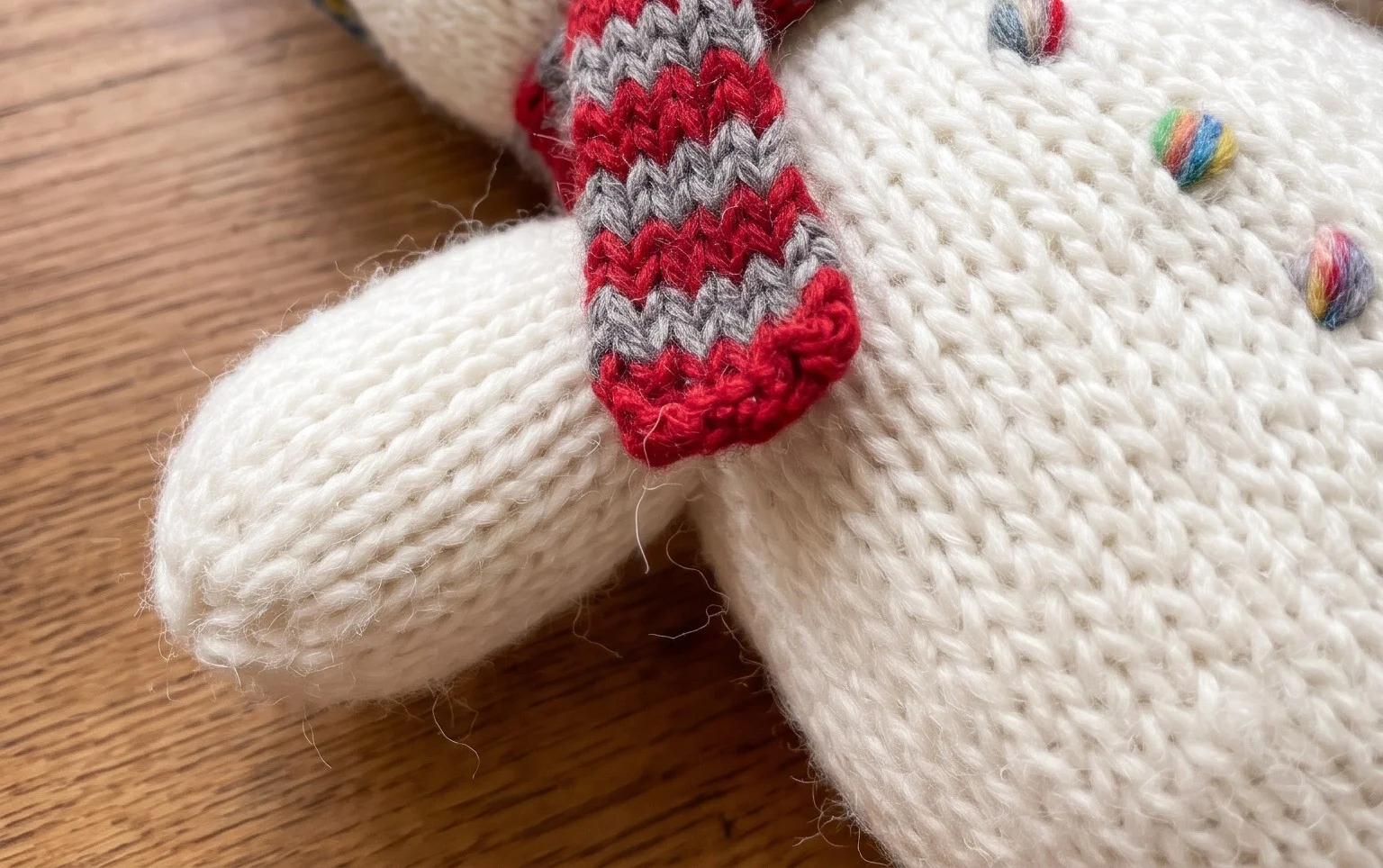
A finished crochet snowman has a soft, friendly look that brings a little winter cheer to a shelf, gift basket, or holiday table. For a simple variation, use a pale blue or cream yarn instead of white, or change the hat color to match someone’s favorite winter coat. If you make one, share a photo on Pinterest or your social media page so other makers can see your color choices and finishing details. Then explore more free patterns on the blog for another small project to enjoy during a quiet afternoon of stitching.