Free Waffle Stitch Crochet Dishcloth: Easy Step-by-Step
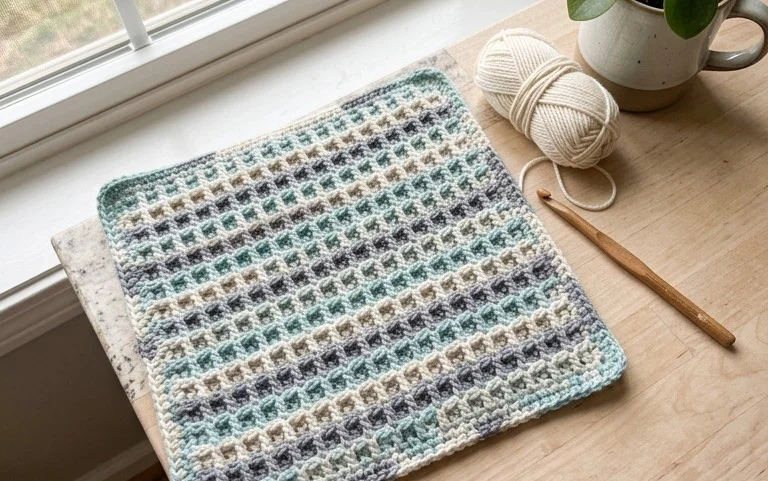
This textured square offers a satisfying, spongy thickness that holds soap suds better than thin store-bought options. The repeating grid of raised squares creates a dense fabric that scrubs away stuck-on food without scratching your non-stick pans. Beginners will find the alternating front post double crochet stitches straightforward once the first row establishes the rhythm. You can finish one in a single evening, making it a reliable project for using up partial skeins of cotton yarn sitting in your stash. These functional pieces bring a handmade touch to your sink area while providing a meditative, repetitive motion for your hands.
Why You’ll Love This Pattern
This beginner-friendly crochet coaster pattern provides a practical way to protect your furniture while practicing fundamental stitch techniques. The design relies on a continuous spiral, which removes the need for visible seams or awkward slip-stitch joins at the end of each round. Because the pattern uses single crochet stitches exclusively, it creates a dense, sturdy fabric that lays perfectly flat on any tabletop. Each coaster takes less than thirty minutes to complete, making it an ideal choice for using up small amounts of leftover cotton yarn from larger projects.
I managed to whip up a full set of six coasters in a single afternoon while watching a movie. The instructions were very easy to follow and the finished result is heavy enough to actually stay in place.
— Sarah, home decorator
Pattern Overview & Skill Level
- Skill Level: Beginner
- Approximate Time: 20-30 minutes per coaster
- Construction: Worked in continuous rounds from the center outward
- Finished Dimensions: Approximately 4 inches in diameter
Materials & Supplies Needed
- Yarn: Worsted weight (#4) 100% cotton yarn, approximately 15-20 yards per coaster. Cotton is necessary for its heat resistance and ability to absorb moisture.
- Hook Size: 5.0 mm (H-8) crochet hook.
- Notions: Tapestry needle for weaving in ends, a stitch marker to track the start of rounds, and scissors.
- Safe Yarn Substitutions: You may use acrylic yarn, though it will be less absorbent and prone to melting if used with hot coffee mugs. Using a lighter weight yarn like DK (#3) with a 4.0 mm hook will result in a smaller 3-inch coaster.
Stitch Guide & Abbreviations (US Terms)
- MR: Magic Ring.
- ch: Chain.
- sc: Single crochet.
- inc: Increase (work 2 sc in the same stitch).
- sl st: Slip stitch.
- st(s): Stitch(es).
- BLO: Back loop only.
Step-by-Step Pattern Instructions
Coaster Body
- Rnd 1: Start with a MR, work 6 sc into the ring. Tighten the ring securely. (6 sts)
- Rnd 2: Work 2 sc in each st around. Place a stitch marker in the first st of the round and move it up as you go. (12 sts)
- Rnd 3: 1 sc, inc around. (18 sts)
- Rnd 4: 1 sc, inc, 1 sc around. (24 sts)
- Rnd 5: 3 sc, inc around. (30 sts)
- Rnd 6: 2 sc, inc, 2 sc around. (36 sts)
- Rnd 7: 5 sc, inc around. (42 sts)
Finishing
Once you reach the final round, perform one sl st into the next stitch to level off the edge. Fasten off your yarn, leaving a 6-inch tail. Use a tapestry needle to pull the tail through the back of the work, weaving it securely into the stitches to prevent unraveling. Trim any excess yarn close to the fabric.
Care & Washing Instructions
- Machine wash your cotton coasters in cold water on a gentle cycle to prevent shrinking.
- Lay the coasters flat on a towel to air dry, reshaping them with your hands while they are damp.
- Avoid using fabric softener, as it reduces the absorbency of the cotton fibers.
Pro Tips & Common Mistakes to Avoid
Maintain consistent tension throughout the project to ensure the coaster remains flat. If the circle starts to cup, your tension is likely too tight; if it ruffles, your tension is too loose. Always use a stitch marker at the start of each round, as it is easy to lose count in a continuous spiral. Weave your ends in by traveling the yarn through the stitches in two different directions, which prevents the tail from popping out after use. To increase the size of the coaster for use as a placemat, simply continue the increase pattern by adding one additional stitch between your increases in every subsequent round, though note that this will require significantly more yarn.
Frequently Asked Questions
Can I use wool yarn for these coasters?
Wool is not recommended for coasters because it is not as heat resistant as cotton and can felt or shrink significantly when exposed to the moisture from a cold glass or the heat from a mug.
Why is my coaster curling up like a bowl?
Curling usually happens when your stitch tension is too tight or when there are not enough increases in the round. Ensure you are working the correct number of increases as outlined in the instructions for each round.
Can I sell the finished coasters I make from this pattern?
Yes, you are welcome to sell finished items made from this pattern, provided you credit the design. Do not redistribute or sell the pattern instructions themselves.
How do I make the coaster larger?
You can continue the increase sequence by adding one extra single crochet before every increase in each additional round. Keep in mind that a larger coaster will require more yarn and may take longer to dry if it gets wet.
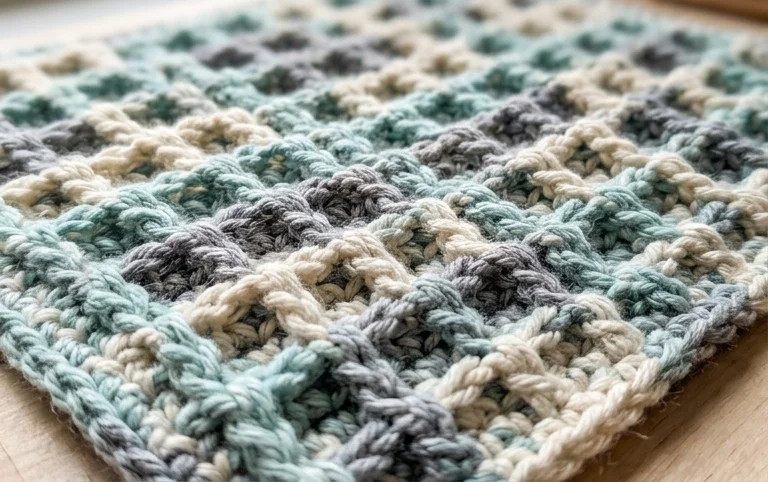
You now have a sturdy, absorbent tool that handles everyday kitchen spills with ease. Swap your solid cotton for a variegated yarn if you want to create a playful, painterly effect across the square surface. Consider scaling up the starting chain to turn this pattern into a matching washcloth for your bathroom. Post a photo of your finished creation to social media so others can see how your color choice turned out. Check the rest of the blog for more free patterns to fill your afternoon hours.