7 Free Crochet Quilted Jacket Patterns for Cozy Layers
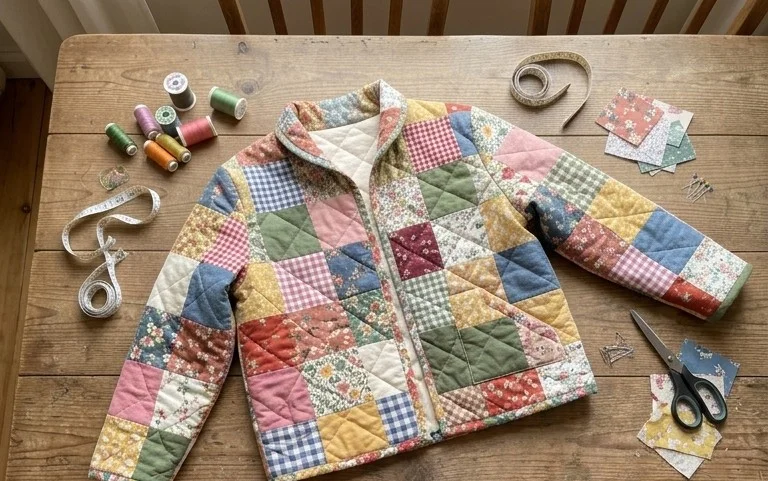
Raised squares and softly padded-looking texture give a quilted crochet jacket the cozy feel of a blanket you can wear. These jackets range from simple, boxy layers to more shaped designs, so the roundup has options for crocheters who are still building confidence as well as makers ready to tackle a longer project. They also make thoughtful handmade gifts when you can check the recipient’s measurements and choose a color they wear often. As you browse the seven free patterns and eight paid options, you’ll find notes on construction, stitch texture, sizing, and the skills each design calls for. Look for techniques such as joining individual squares, working textured stitches in rows, and assembling panels neatly, all of which help create that quilt-inspired finish.
Why You’ll Love This Pattern
This crochet dishcloth is worked in straight rows of single crochet, so you can focus on even tension rather than learning a complicated stitch pattern. Its firm, textured fabric is useful for wiping counters and washing dishes, and the small size makes it a practical project for a quiet evening.
A single solid color keeps the stitch pattern easy to see, while leftover cotton can be used for stripes. The finished cloth also makes a useful handmade gift when paired with a bar of soap or kitchen towel.
The rows were easy to keep track of, and the cotton made a sturdy cloth that washed well.
— Maya, home crocheter
Pattern Overview & Skill Level
- Skill Level: Beginner. You need to know how to chain and single crochet.
- Approximate Time: 3–4 hours, depending on your pace and tension.
- Construction: The dishcloth is worked flat in rows, turning at the end of each row. A border is optional and is not included in the finished dimensions.
- Finished Dimensions & Sizing: Approximately 8 × 8 inches (20 × 20 cm) before washing, using the yarn and hook listed below. Cotton and individual tension can change the size slightly.
Materials & Supplies Needed
- Yarn: About 90 yards (82 m) of worsted-weight cotton yarn, category #4. Use one color or divide the yardage among several colors for stripes.
- Hook Size: 5.0 mm / H-8 crochet hook. If your fabric feels loose or holey, try a 4.5 mm hook; a smaller hook may make the cloth smaller and firmer.
- Notions: Tapestry needle for weaving in ends, scissors, and a ruler or measuring tape.
- Substitutions: Choose 100% cotton or cotton-linen yarn that is labeled for dishcloths. Acrylic is less absorbent and can feel slippery when wet. A different yarn weight or hook changes the finished size and texture, so make a small swatch first if you need a particular measurement.
Stitch Guide & Abbreviations (US Terms)
- ch = chain.
- sc = single crochet: insert the hook in the stitch, yarn over and pull up a loop, yarn over and pull through both loops.
- st = stitch.
- sts = stitches.
- rep = repeat.
The turning chain at the beginning of each row does not count as a stitch. Work the first single crochet into the first stitch of the row, not into the turning chain. This keeps the sides straight and maintains the stitch count.
Step-by-Step Pattern Instructions
Use a relaxed, even tension. The cloth is worked as a square: the starting chain makes the width, and repeating the row pattern builds the length.
Dishcloth
- Foundation: Ch 31. This chain provides 30 working stitches plus one turning chain.
- Row 1: Sc in the second ch from the hook and in each ch across. Turn. (30 sts)
- Rows 2–30: Ch 1, sc in each st across. Turn. (30 sts per row)
After Row 30, check the cloth with a ruler. It should measure close to 8 inches (20 cm) on each side. If your rows are noticeably shorter than the width, add rows until the piece is square; note the final row count so you can repeat it for a matching cloth. Changing the row count does not change the stitch count across.
Finishing
Cut the yarn, leaving a tail about 6 inches (15 cm) long. Pull the tail through the final loop and thread it onto a tapestry needle. Weave the end through several stitches on the wrong side, then change direction and pass through a few more stitches to secure it. Weave in the starting tail the same way. Trim the ends close without cutting into the fabric.
For a simple edge, you can leave the dishcloth as written. If you add a single-crochet border, work evenly around the outside and place one sc in each row end along the sides. Add three sc in each corner stitch to help the corners lie flat. A border uses extra yarn and can make the cloth slightly larger.
Care & Washing Instructions
- Wash cotton in cool or warm water, up to 40°C (104°F), with similar colors; follow the yarn label if it gives a lower limit.
- Dry flat or tumble-dry on low if the yarn label permits; high heat can shrink cotton.
- After washing, smooth the edges and reshape the cloth while damp. Blocking is optional, but helps square the corners.
Pro Tips & Common Mistakes to Avoid
- Keep the starting chain loose enough for the first row to move freely. If the bottom edge pulls inward, use a larger hook just for the foundation chain.
- Count 30 stitches at the end of every row. Beginners often miss the last stitch or accidentally work into the turning chain, which makes the sides slant.
- Weave in each end in more than one direction on the wrong side. A short, single pass can loosen with repeated washing.
- To make a larger cloth, add chains in multiples of one and work the same number of sc across, then add rows until the piece is square. A larger cloth uses more yarn; check your remaining yardage before continuing.
Frequently Asked Questions
Can I use a different cotton yarn?
Yes. Choose a washable cotton yarn with a similar worsted weight. A thinner yarn makes a smaller, lighter cloth, while a thicker yarn or tighter hook makes a denser fabric and may require more yardage.
How can I make the dishcloth smaller or larger?
For a narrower or wider cloth, change the foundation chain and keep one fewer sc than the number of chains. For a shorter or longer cloth, work fewer or more rows. Aim for a square and allow for changes in yarn and tension.
Is this pattern suitable for a first crochet project?
Yes. It uses only chains and single crochet in straight rows. Check the stitch count at the end of each row, especially near the edges, to catch mistakes before they affect the shape.
May I sell dishcloths made from this pattern?
Check the pattern designer’s terms before selling finished items. If you do sell your work, describe it as handmade and do not claim the pattern itself as your own.
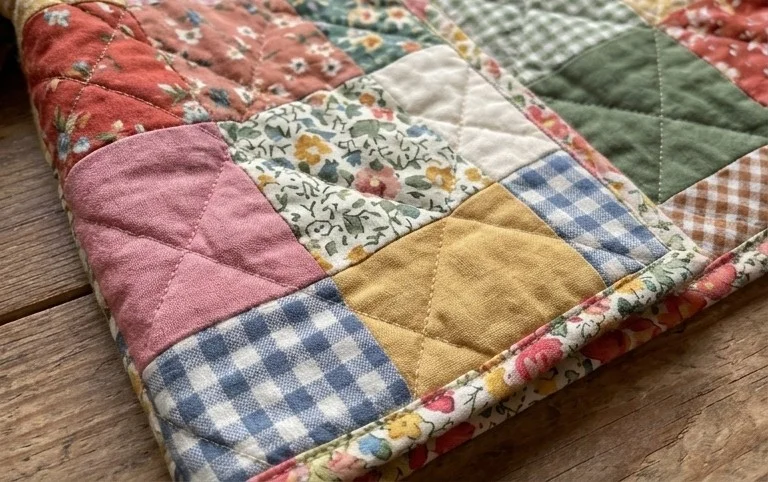
A finished quilted crochet jacket has a satisfying mix of blanket-like texture and everyday wearability, and seeing the panels come together makes the hours of stitching feel worthwhile. For a simple variation, choose two coordinating colors and alternate them between squares or jacket panels; check the pattern’s color-change notes so the joins stay tidy. Before gifting or wearing your jacket, try it on over the kind of shirt you plan to layer underneath, since that can affect the fit. If you make one of these designs, share a photo on Pinterest or your favorite social platform so other crocheters can see your color choices and finished texture. Then browse more free crochet patterns on the blog for your next project.